01 / Fire Safety
Commercial Assessments
For business premises, shared buildings and mixed commercial uses. Understand the hazards, the people at risk and the measures that need attention.
Explore Commercial AssessmentsFire Safety For Leicester Businesses
Understand the risks. Protect the people. Take the next step with a practical assessment of your commercial premises.
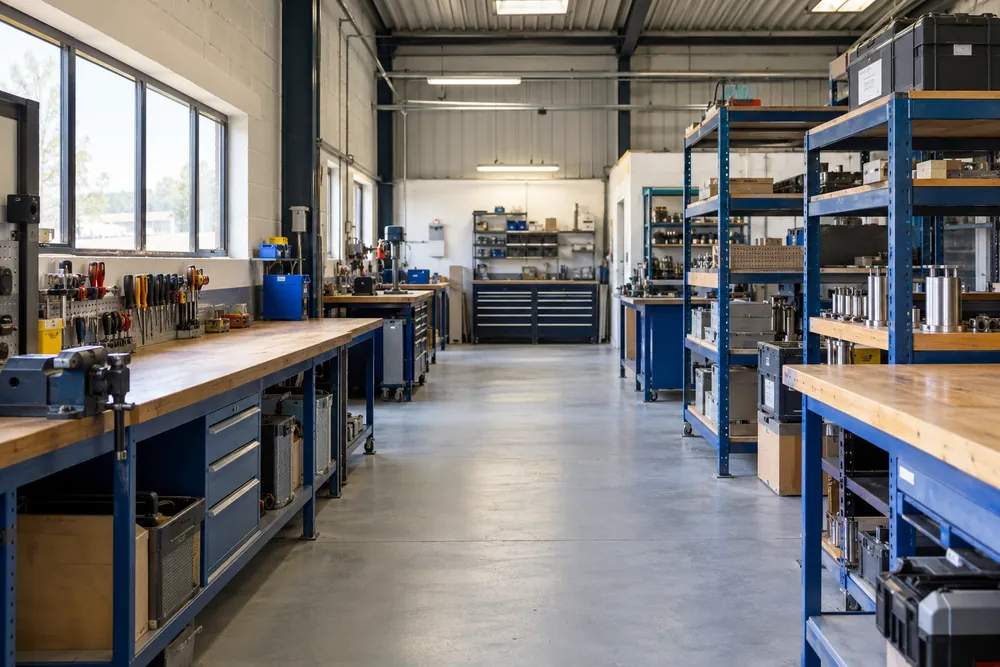
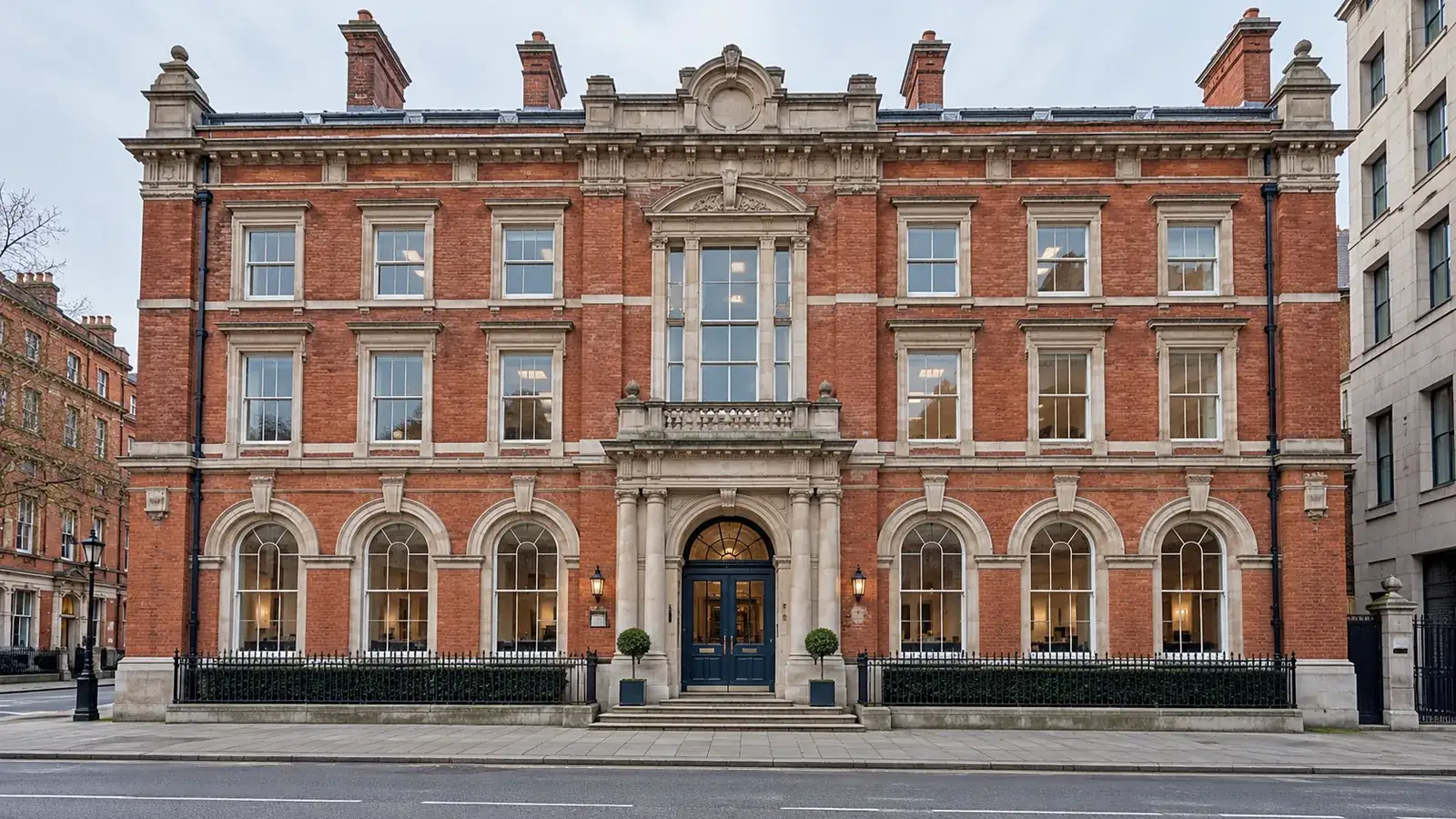 Commercial premises. Practical priorities.
A Clearer View Of Fire Safety
The way you use it matters just as much.
Fire risk assessment in Leicester means looking at your premises, your activities and the people who use the building together. The purpose is to identify how a fire could start, who could be harmed and whether the precautions in place are suitable. The outcome should help the responsible person decide what needs to happen next.
We welcome enquiries from facilities managers, commercial landlords, business owners, schools and contractors. Whether you manage an office suite, a warehouse or a shared commercial property, the starting point is a defined assessment scope and access to the information that explains the building.
An assessment should connect the physical inspection with everyday management. A protected staircase helps only if the doors work and the route remains usable. A written emergency plan needs to match staffing, visitors and the assistance people may need to leave safely.
What We Do
Start with an assessment, investigate a particular concern or revisit what has changed. These services support the people responsible for commercial fire safety.
01 / Fire Safety
For business premises, shared buildings and mixed commercial uses. Understand the hazards, the people at risk and the measures that need attention.
Explore Commercial Assessments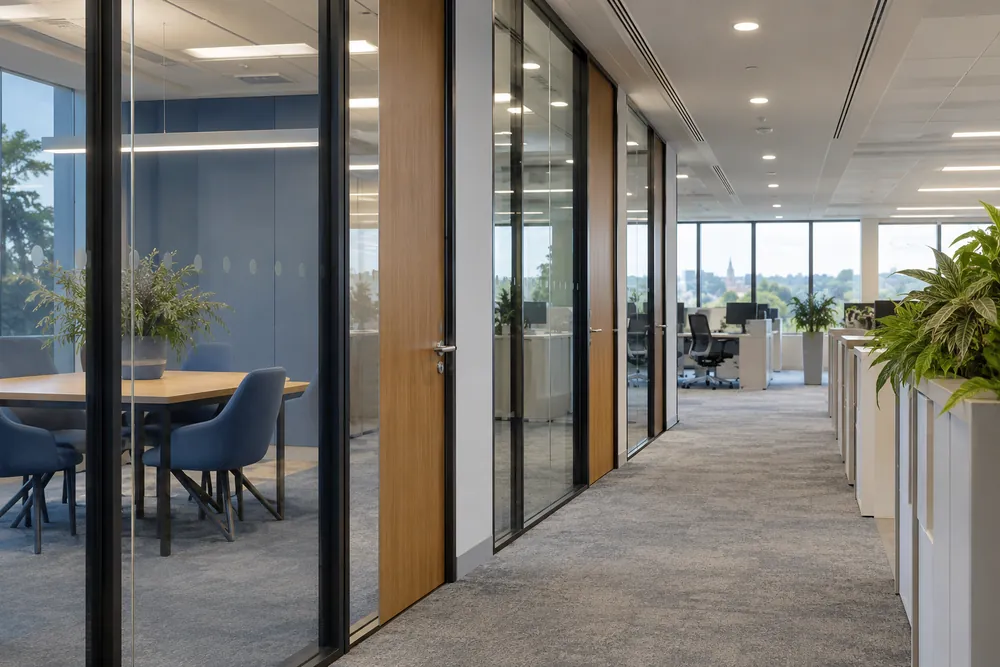
02 / Fire Safety
For offices, converted premises and shared workspaces. Check escape routes, occupancy, warning arrangements and day-to-day fire management.
Explore Office Assessments
03 / Fire Safety
For storage, logistics and manufacturing sites. Consider changing stock, charging areas, loading operations and the reality of shift working.
Explore Warehouse Assessments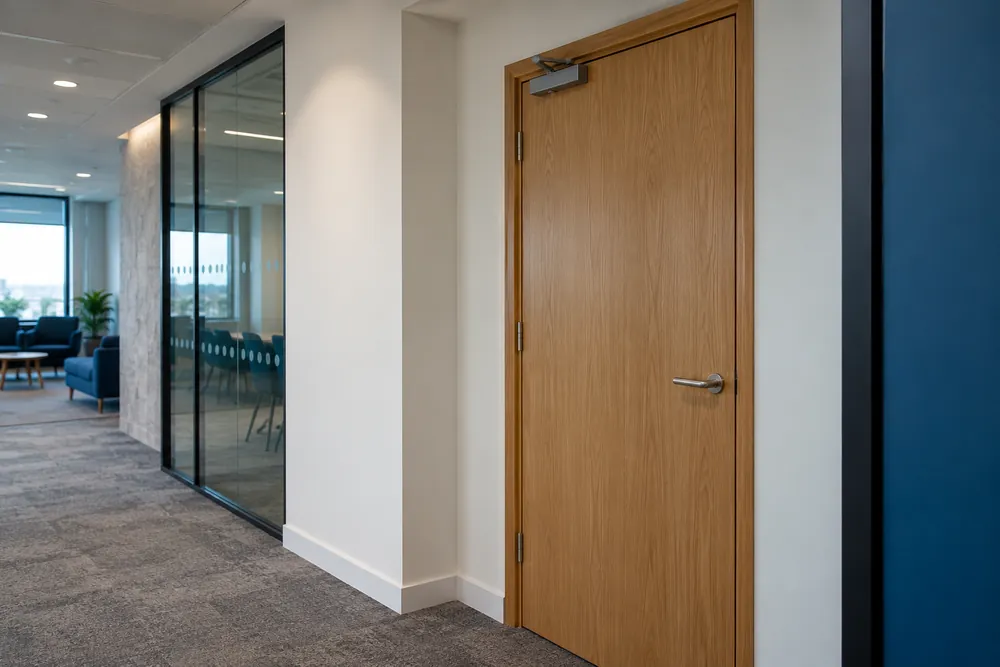
04 / Fire Safety
Understand the condition of commercial fire doors, frames, seals and closers, with identifiable defects and an agreed inspection scope.
Explore Fire Door Inspections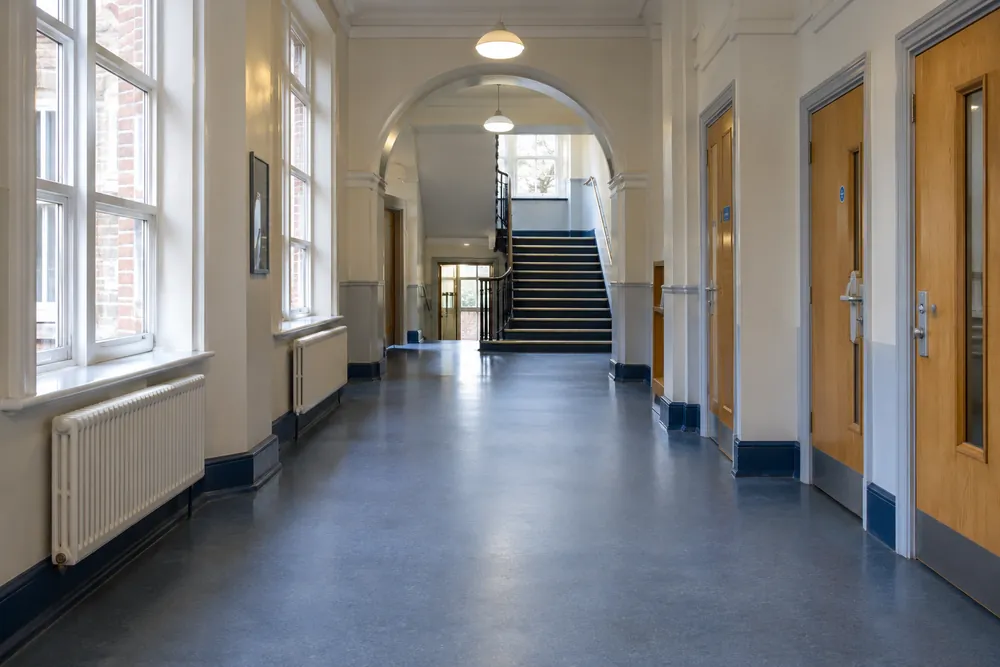
05 / Fire Safety
Check the connection between reports, maintenance records, staff responsibilities and what happens in the building each day.
Explore Fire Safety Audits
06 / Fire Safety
Revisit an existing assessment after alterations, occupancy changes or new risks. Establish what remains valid and what needs updating.
Explore Assessment ReviewsYour Responsibilities In England
Most workplaces and commercial premises in Leicester fall within the Regulatory Reform (Fire Safety) Order 2005. Employers, owners, landlords, occupiers and others with control may have responsibilities. In a shared building, there can be more than one responsible person, each with duties linked to their control.
The assessment must be suitable and sufficient for the premises and the risks to people. A small office does not need the same depth of investigation as a complex factory, but a small staff team does not remove the need to assess and record the risks.
Read the GOV.UK guide to workplace fire safety responsibilities.
In England, the assessment and fire safety arrangements must be recorded in full. The recording duty is no longer limited by the old employee-number threshold. When an assessor is appointed, their name and, where relevant, organisation must also be recorded.
Appointing a professional does not transfer your management duties. You still need to act on findings, keep precautions maintained and coordinate with other responsible persons. An assessment report should become a working reference for the building, not simply a document kept for a future inspection.
England’s legislation is the relevant starting point for Leicester. Fire safety law differs across the UK, so guidance written for another nation should not be applied without checking its scope.
From Enquiry To Action
Understand what the assessment covers, what it finds and what your team needs to do with the result.
We start with the premises, their use and the reason for your enquiry. Identify shared areas, known concerns and available records before agreeing the visit.
The assessment considers visible hazards, escape, warning arrangements and how people use the building. Access limitations and questions needing further evidence should be recorded.
The report brings findings together with actions and priorities. Understand which issues need management attention and which may require a specialist investigation or repair.
Assign owners to the actions, retain completion evidence and revisit the assessment when conditions change. Fire safety management continues after the report is delivered.
What The Visit Considers
The assessment considers sources of ignition, combustible materials and the people who could be affected. That includes staff, visitors, contractors and people unfamiliar with the premises. Lone working, shifts and evacuation assistance can change the arrangements needed.
The inspection should follow how someone would leave the building, including the routes beyond their own room or unit. Doors, stairs, final exits and external passages need to work as a connected route. A lock or storage decision can alter the practical outcome even when the plan appears unchanged.
Warning systems, emergency lighting and firefighting equipment are considered alongside maintenance evidence. A general assessment does not automatically include engineering tests or certification of each system. Where records are missing or a defect is suspected, the report should identify the need for appropriate further checks.
Fire separation also matters. Visible damage around doors, service openings and enclosure walls may indicate a route for smoke or fire spread. Concealed construction cannot always be established during a non-intrusive visit, and the assessor should explain those limitations.
Management evidence helps show whether precautions are being maintained between visits. Bring test records, staff training arrangements, the emergency plan and details of completed actions from the previous report. Documents need to relate to the current premises rather than an earlier layout.
Before the visit, agree how restricted areas will be accessed and whether an escort is needed. Tell us about active machinery, secure rooms or sensitive business operations. Clear access planning helps avoid an assessment that leaves important areas unresolved.
Reference: Home Office fire risk assessment checklist.
Scope Before Price
A useful quotation explains the work, rather than relying on a price detached from the building. Floor area matters, but so do the layout, activities and number of people involved. Several small units with shared escape arrangements may require more coordination than one straightforward open space.
Tell us about multiple floors, basements, external storage and any separate buildings. Explain whether the premises are occupied, being fitted out or undergoing change. Good initial information makes it easier to define the boundaries and compare the proposed work.
Ask whether the fee includes the visit, written findings, action priorities and a discussion of the report. Confirm any exclusions and how further investigations will be handled. Remedial work and specialist testing should be clearly identified as separate services where required.
You do not need to resolve every technical question before making an enquiry. A postcode, a description of the premises and the reason you need help are a useful start. If you have a previous report, say when it was completed and what has changed since.
Leicester & Its Business Neighbours
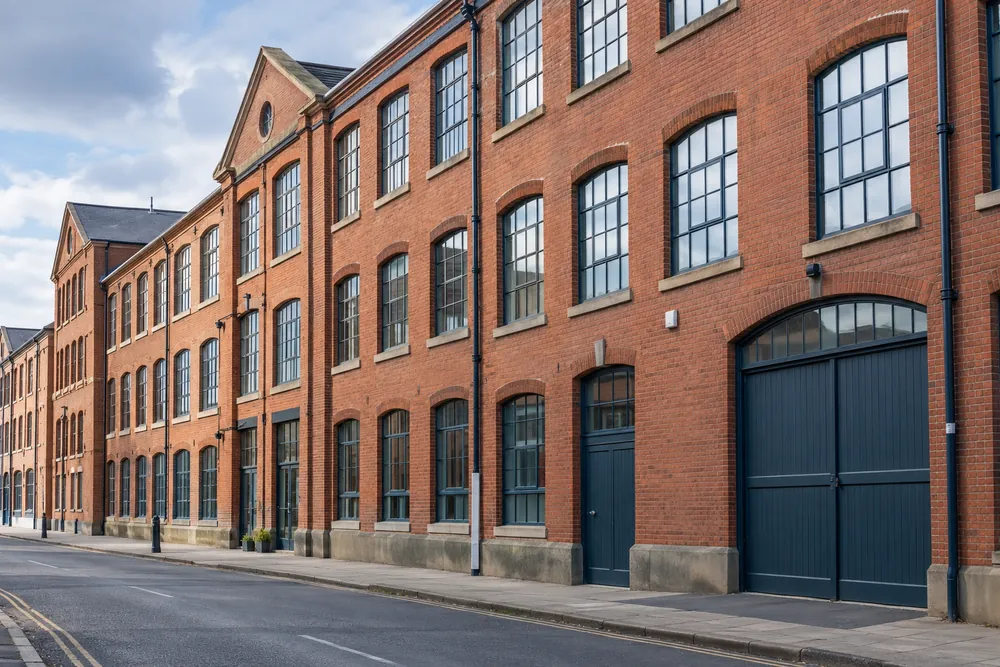
Leicester’s Cultural Quarter lies within the St George’s conservation area, including parts of Rutland Street and Queen Street. Its older building fabric is a reminder to establish what alterations and fire safety records exist, rather than assuming a commercial conversion has simple escape arrangements.
Beyond the city, Grove Park in Enderby provides office, production and distribution accommodation near the M1 and M69 junction. Optimus Point in Glenfield is a warehouse and distribution location near the M1. The activities and management arrangements at each property determine the assessment scope.
View All Areas We Cover →Local context: Leicester City Council and Blaby District Council.
Common Questions
Direct answers for the people responsible for Leicester’s commercial premises.
A fire risk assessment in Leicester is required for premises within the Fire Safety Order, including most workplaces and commercial buildings. Employers, landlords, owners or others with control may have duties. Responsibility can be shared, so establish who controls the occupied space, common areas and protection systems rather than relying only on a job title.
A fire risk assessment review should take place regularly and when changes could affect its validity. A new layout, different activities, increased occupancy or a fire incident may require earlier attention. Set a planned review date that reflects the building and its risks, and keep evidence of the review and any resulting changes.
Fire risk assessment cost depends on the size, layout, activities and complexity of your premises. Multiple occupiers, specialist hazards, separate buildings and incomplete records can affect the scope. Provide a brief description and any existing report so a quotation can explain what is covered, what is excluded and whether further investigation may be needed.
Preparation for a fire risk assessment should include the previous report, available floor plans, maintenance records and details of how the building is used. Arrange access to relevant rooms and shared routes. Have someone available who understands the premises, and explain any recent alterations, restricted areas or arrangements for people who need evacuation assistance.
Your own fire risk assessment may be appropriate if you have the competence to assess the premises and their risks. More complex buildings or activities may need specialist help. Appointing an assessor does not transfer the responsible person’s duties, including acting on findings, maintaining precautions and keeping fire safety arrangements up to date.
The fire risk assessment report identifies findings and recommended actions within the agreed scope. It does not automatically include repairs, equipment servicing or intrusive investigations. Ask how priorities, limitations and further checks will be recorded, then agree responsibility for each action and keep evidence that the underlying issue has been addressed.
Our Leicester coverage includes nearby business locations such as Oadby, Wigston, Birstall, Syston, Enderby and Glenfield. We also welcome enquiries from Blaby, Narborough and Loughborough. Tell us the postcode, premises type and service needed so access and the appropriate scope can be considered before any appointment is agreed.
The Next Step
Tell us what you manage, where it is and what has changed. That gives us the detail needed to consider the right assessment or inspection.
Useful To Include
For commercial premises, facilities teams and property managers across Leicester and nearby towns.